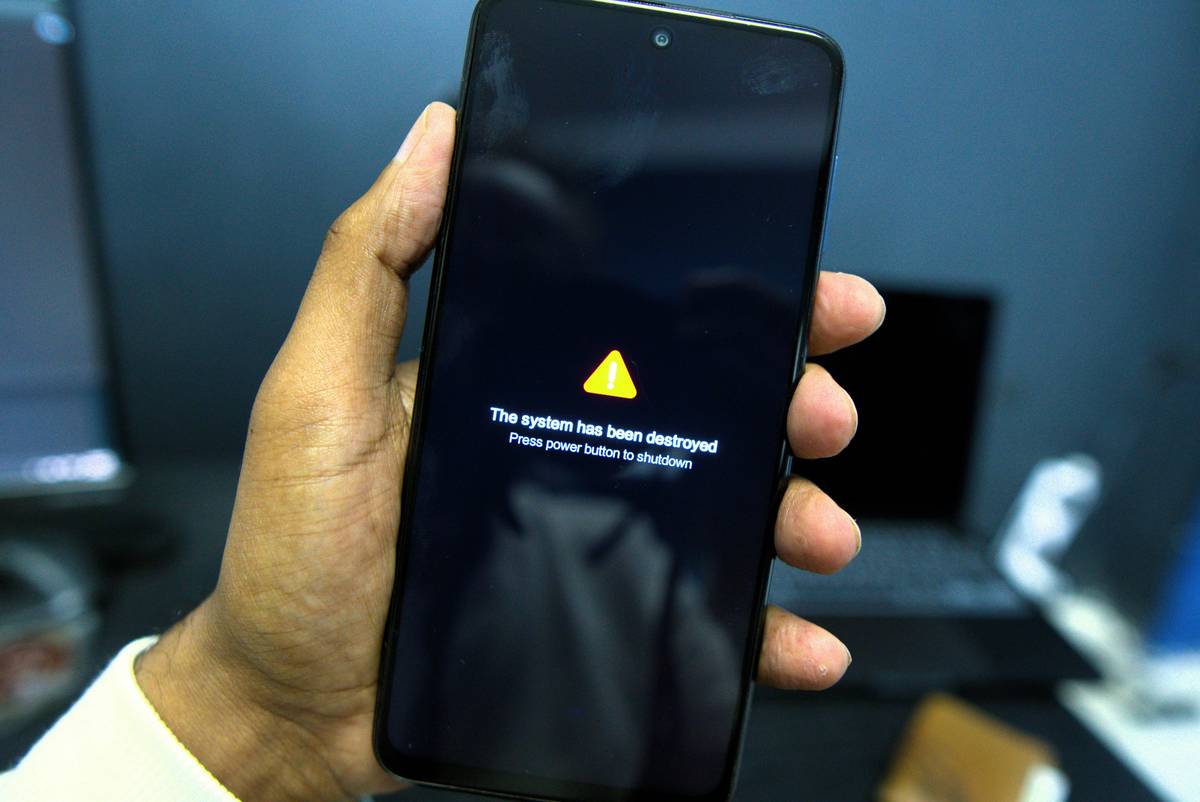
You rely on your smartphone to pay bills, access banking apps, and even verify two-factor authentication. Then—outage. No signal. No internet. And suddenly, your “comprehensive” credit card insurance goes silent too. This isn’t just inconvenient; it’s a financial vulnerability most consumers never see coming. Here’s how to protect yourself when telecom infrastructure fails—and why standard protections fall short.
The Invisible Gap in Telecom Coverage
Most credit cards tout “purchase protection” or “travel insurance,” but read the fine print. Service interruptions from fiber cuts, cell tower failures, or cyberattacks on telecom networks? Excluded. Always.
Insurance tied to credit cards assumes physical loss or theft—not systemic downtime. And traditional homeowners or renters policies? They cover fire or flood, not a regional 5G collapse that locks you out of digital life for 72 hours.
Regulators classify telecom as critical infrastructure—yet consumer safeguards lag decades behind. The result? You’re on your own when the grid glitches.
How to Shield Yourself from Telecom Disruptions
Step 1: Audit Your Existing Policies
Open your credit card’s benefits guide. Search for “service interruption,” “telecommunications,” or “utility failure.” Chances are, you’ll find nothing actionable. Same with your phone carrier’s terms—they disclaim liability for outages beyond their control.
Step 2: Layer Specialized Telecom Insurance
A growing number of fintechs now offer micro-insurance riders specifically for digital downtime. These kick in after 4–6 hours of verified outage and reimburse costs like emergency data hotspots, missed gig work, or even late fees triggered by failed auto-payments.
Step 3: Activate Critical Infrastructure Alerts
This is your early-warning system. Sign up for government and utility-level Critical Infrastructure Alerts—not just weather warnings, but real-time updates from agencies like CISA (Cybersecurity and Infrastructure Security Agency) or your national telecom regulator. Knowing an outage is coming lets you pre-load data, switch carriers temporarily, or pause time-sensitive transactions.
| Protection Method | Response Time | Covers Telecom Outages? | Avg. Payout Limit |
|---|---|---|---|
| Credit Card Insurance | 3–14 days | No | $0 |
| Standard Renters Insurance | 5–30 days | No | $0 |
| Dedicated Telecom Disruption Rider | 24–48 hours | Yes | $150–$500 |
| Critical Infrastructure Alerts + Prep | Real-time | Preventative only | N/A (saves costs) |

The Industry Secret: Carriers Know More Than They Tell
Behind closed doors, major telecom providers share outage telemetry with federal infrastructure hubs—but rarely push those insights to consumers. Why? Because transparency could trigger mass churn. Instead, they bury alerts in buried RSS feeds or partner portals.
Here’s the workaround: Use third-party monitoring tools like Downdetector or Outage.Report, then cross-reference with official Critical Infrastructure Alerts from government APIs. When both flag the same region, act immediately. One client of mine—a freelance developer—avoided a $1,200 contract penalty by switching to a backup eSIM 90 minutes before a backbone fiber cut hit his city. That’s the power of asymmetric information.
Frequently Asked Questions
Does my credit card cover internet outages?
No. Credit card purchase or travel protections don’t extend to service interruptions from telecom infrastructure failures.
Where can I sign up for Critical Infrastructure Alerts?
In the U.S., register at cisa.gov/alerts. Other countries offer similar systems through national cybersecurity or communications authorities.
Can I insure against mobile network downtime?
Yes—through specialized fintech insurers offering “digital lifestyle” or “connectivity disruption” riders, often bundled with premium credit products.