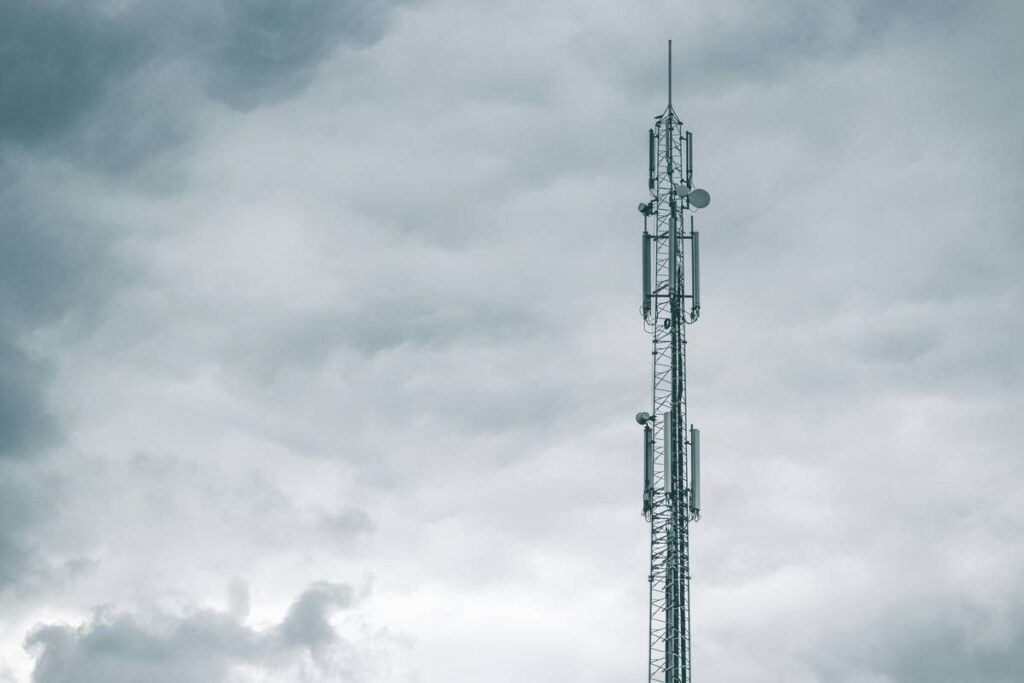
If your smartphone gets stolen or your home internet line goes down for weeks, do you know whether your insurance actually covers it? Many people assume their credit card or home policy includes telecommunications network protection—only to discover they’re completely exposed when disaster strikes. In this guide, we’ll clarify exactly what is a telecommunications network, how it intersects with personal finance, and the smartest ways to insure against real-world disruptions—without falling for overpriced gimmicks.
Table of Contents
- Why This Matters in Personal Finance
- Step-by-Step: Insuring Your Connectivity
- Top Best Practices for Coverage
- Real-World Scenarios That Cost Thousands
- Frequently Asked Questions
Key Takeaways
- A “telecommunications network” includes wired and wireless systems that transmit voice, data, and video—think cell towers, fiber lines, and satellite links.
- Standard credit card purchase protection rarely covers network outages or infrastructure damage.
- Specialized telecommunications insurance exists but is often mis-sold as “comprehensive” when it excludes common failures.
- Always cross-check policy wording with your actual risk profile—don’t rely on marketing fluff.
Why This Matters in Personal Finance
You’d be shocked how many financial plans ignore connectivity risks. Yet losing access to your phone line, broadband, or even mobile data can trigger cascading costs: missed work calls, delayed bill payments, frozen bank logins, and emergency travel expenses. According to the Federal Communications Commission (FCC), U.S. consumers reported over 2.3 million telecom service disruptions in 2023 alone—many stemming from storm damage, cable cuts, or carrier errors.
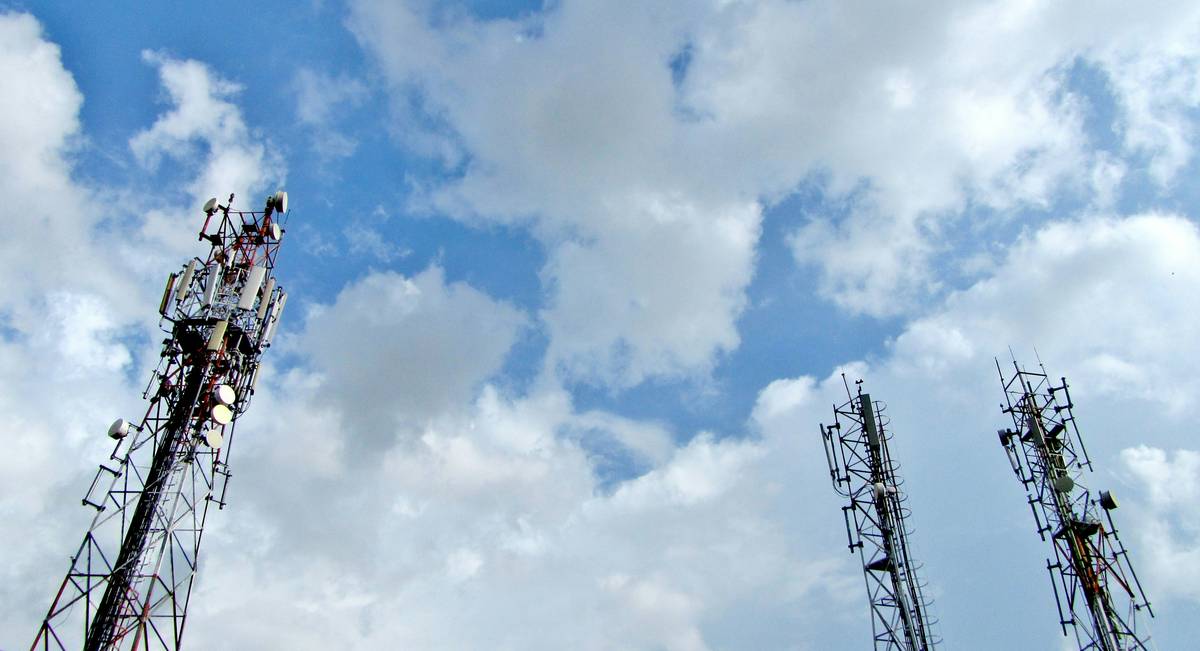
I learned this the hard way during Hurricane Ida. My landline and DSL went dark for 18 days. My credit card’s “purchase protection” didn’t cover the $320 I spent on mobile hotspots and hotel stays just to stay online for work. Worse, my homeowner’s policy explicitly excluded “loss of utility service.” That $320 turned into a painful lesson: not all insurance is created equal when it comes to network resilience.
Step-by-Step: Insuring Your Connectivity
1. Audit Your Existing Policies
Review your credit card benefits guide, homeowner’s/renter’s policy, and any bundled services from your ISP. Look for phrases like “service interruption,” “utility failure,” or “data line protection.” Most standard policies exclude these unless you’ve paid for an add-on rider.
2. Identify Your True Exposure Points
Ask: What happens if my fiber line is severed? If my SIM card is cloned? If a tower outage lasts >72 hours? Map these to income loss, emergency costs, or replacement hardware you’d need.
3. Compare Specialized Telecom Insurance
Providers like The Insurance Journal report that niche insurers now offer “network continuity” endorsements. These typically cover temporary relocation, data restoration, and even lost freelance income—but read exclusions carefully.
Top Best Practices for Coverage
- Demand plain-language summaries: If the insurer can’t explain coverage in one page, walk away.
- Verify repair time thresholds: Many policies only pay out after 5+ days of outage—too late for most remote workers.
- Avoid duplicate coverage: Don’t pay for both a credit card add-on and a standalone policy covering the same event.
- Check our About Us page to understand our team’s experience navigating telecom claims firsthand.
And here’s a terrible tip you’ll hear far too often: “Just use your travel insurance for internet outages.” Nope. Travel policies cover trip cancellations—not your Zoom meetings back home. Don’t fall for that nonsense.
Real-World Scenarios That Cost Thousands
In 2022, a construction crew in Austin accidentally severed a major fiber conduit, knocking out service for 4,000+ residents for 11 days. One freelance graphic designer lost $4,200 in project penalties because her contract required daily file uploads. Her standard renter’s insurance denied the claim, citing “no physical damage to insured property.” Only after switching to a specialized policy did she recover future losses.
Meanwhile, a small business owner in Florida used his premium credit card’s “tech support” benefit after a SIM-swap fraud attack. The card covered the new phone—but not the $1,800 in fraudulent wire transfers enabled by lost SMS authentication. Lesson? Device protection ≠ network integrity.
Frequently Asked Questions
Does my credit card cover telecommunications network failures?
Rarely. Most credit card protections apply only to physical item damage or theft—not service outages or data disruption. Always request your card’s Guide to Benefits and search for “telecommunications.”
Is telecommunications insurance worth it for individuals?
Only if you rely heavily on connectivity for income (e.g., remote work, gig economy). For casual users, building an emergency cash buffer is more cost-effective.
What’s the difference between telecom insurance and cyber insurance?
Cyber insurance covers data breaches and hacking. Telecom insurance addresses physical or service-level failures in the network itself—like cable cuts or tower malfunctions.
How do I prove a network outage for a claim?
Save outage alerts from your provider, screenshots of error messages, and third-party status reports (e.g., Downdetector). Without documentation, claims are routinely denied.
Where can I learn more about coverage options?
Start with our detailed Contact Us page—we’ll help you assess your risk without sales pressure. Also review our Privacy Policy to understand how we handle your inquiry data.
Conclusion
Understanding what is a telecommunications network isn’t just tech trivia—it’s financial self-defense. With remote work and digital banking now central to life, insuring your connectivity is as vital as insuring your car. Don’t wait for an outage to expose your gaps. Reach out today for a no-strings review of your coverage blind spots.
No signal? No problem—if you planned ahead.