
Your phone dies. Not from water or a cracked screen—but a silent, internal Hardware Failures. You file a claim through your premium credit card’s telecom insurance. Denied. Again. This isn’t rare—it’s routine. Most policies quietly exclude gradual wear, manufacturing defects, or firmware corruption. The solution? Stop assuming coverage exists. Start designing a layered protection strategy that actually works.
Why Standard Telecom Insurance Fails on Hardware Failures
Credit card issuers market “device protection” like it’s bulletproof. It’s not. Buried in fine print: exclusions for “inherent defects,” “mechanical breakdown,” or “non-accidental damage.” And guess what? Hardware Failures often fall right into those gaps.
Insurance treats phones like disposable assets—not mission-critical tools. When your SSD fails or your baseband processor glitches after 14 months, they’ll cite “normal wear.” Even if you paid $1,200 for the device.
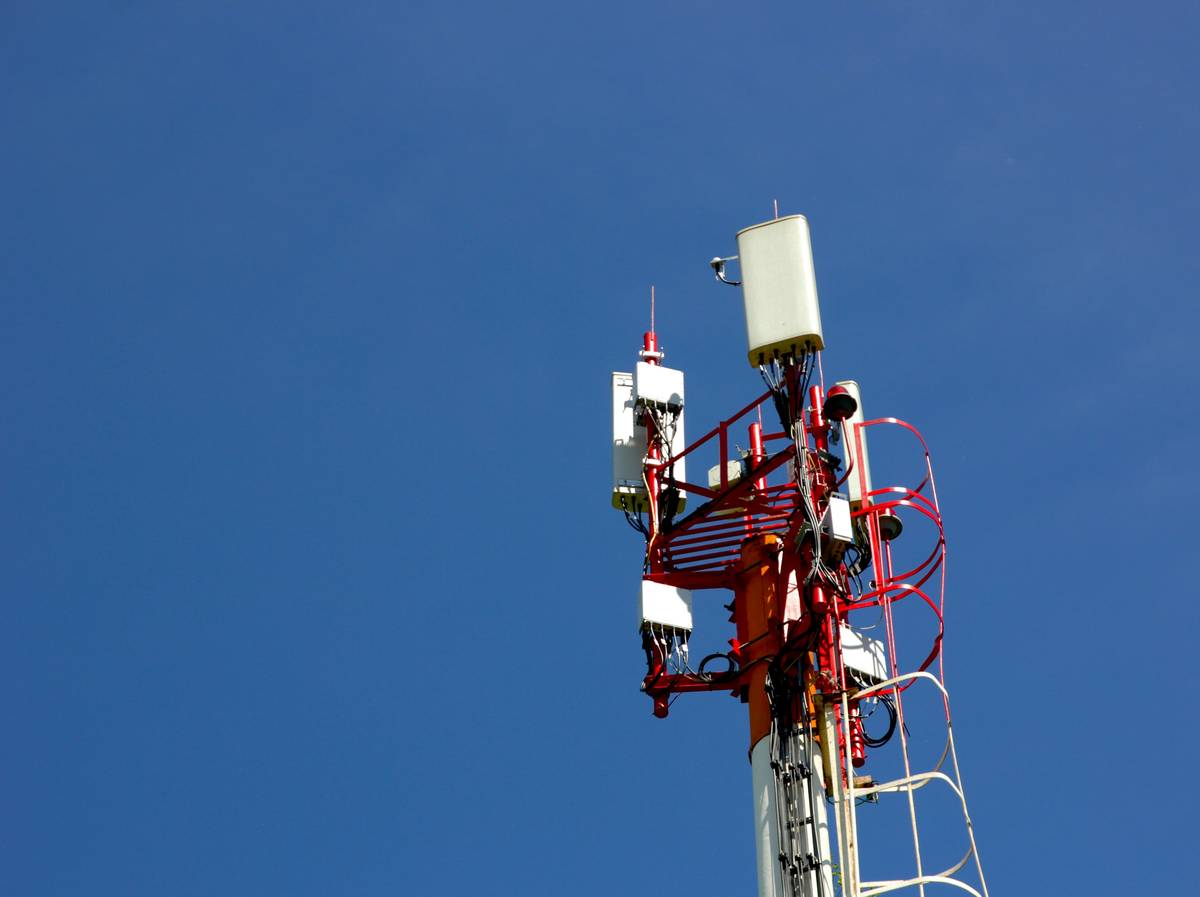
Build Real Network Protection: A Step-by-Step Guide
Forget relying on one flimsy policy. Stack defenses like a telecom engineer—not a coupon clipper.
Step 1: Audit Your Existing Coverage
Pull your credit card’s guide to benefits. Search for “mechanical breakdown,” “electrical failure,” and “defect.” If those terms trigger exclusions, you’re unprotected against true hardware decay.
Step 2: Layer with Extended Warranties (Smartly)
Manufacturer warranties vanish after 12 months. Third-party plans vary wildly. Focus on those covering component-level failure—not just drops or spills. Avoid plans that require original packaging or receipt within 30 days. That’s theater, not protection.
Step 3: Activate Network-Level Safeguards
Some MVNOs and enterprise carriers offer SIM-based integrity monitoring. They can’t fix your NAND flash—but they’ll alert you to anomalous network disconnects that often precede total hardware collapse. Early warning = faster backup.
| Protection Layer | Covers Hardware Failures? | Avg. Annual Cost | Claim Speed |
|---|---|---|---|
| Credit Card Telecom Insurance | No (excludes inherent defects) | $0 (bundled) | 7–21 days |
| Manufacturer Warranty | Yes (first 12 months only) | $0 | 3–10 days |
| Third-Party Extended Plan | Sometimes (read exclusions carefully) | $80–$150 | 5–14 days |
| Enterprise Network Monitoring | No—but predicts failure | $5–$20/month | Real-time alerts |

The Industry Secret: Insurers Profit From Ambiguity
Here’s what claims adjusters won’t tell you: “Hardware failure” isn’t a technical term in most policies. It’s a loophole. Adjusters classify thermal degradation as “environmental wear.” Firmware bricking? “User error.” And if your device lacks an IP68 rating? Automatic exclusion—even if the chip died dry and cool on your desk.
But—and this is critical—some premium business cards (Amex Platinum, Chase Ink Business) partner with Allstate or Assurant to offer accidental damage + mechanical breakdown as separate riders. You must activate them within 90 days of purchase. Few cardholders know. Even fewer do.
Frequently Asked Questions
Does AppleCare cover hardware failures?
Yes—fully. It explicitly includes manufacturing defects and component breakdown beyond the standard warranty.
Can I claim hardware failure through my home insurance?
Rarely. Most home policies exclude portable electronics unless added via a scheduled personal property endorsement.
Are credit card protections worth it for phones?
Only for accidental damage. For true Hardware Failures, they function more like marketing perks than real safety nets.