Ever filed a claim for a fried router after a lightning strike—only to find your insurer shrugged it off as “not covered”? You’re not alone. In personal finance, especially within credit cards and insurance, understanding what is network in telecommunication isn’t just tech jargon—it’s a critical shield against unexpected losses. This guide cuts through the noise with actionable insights, real mistakes (yes, I’ve made them), and clear steps to secure your digital lifelines without overpaying.
Table of Contents
- Why Your Telecom Network Deserves Financial Protection
- How to Audit and Insure Your Telecom Assets
- Smart Insurance Practices Most People Overlook
- Real Claims: When Coverage Saved (or Failed) Households
- Frequently Asked Questions
Key Takeaways
- The telecom “network” includes routers, modems, wiring, and connected devices—not just your phone plan.
- Standard home insurance often excludes telecom equipment damage from surges or outages.
- Specialized telecommunications insurance fills critical gaps but requires precise policy wording.
- Always verify if your credit card offers automatic equipment protection before buying add-ons.
Why Your Telecom Network Deserves Financial Protection
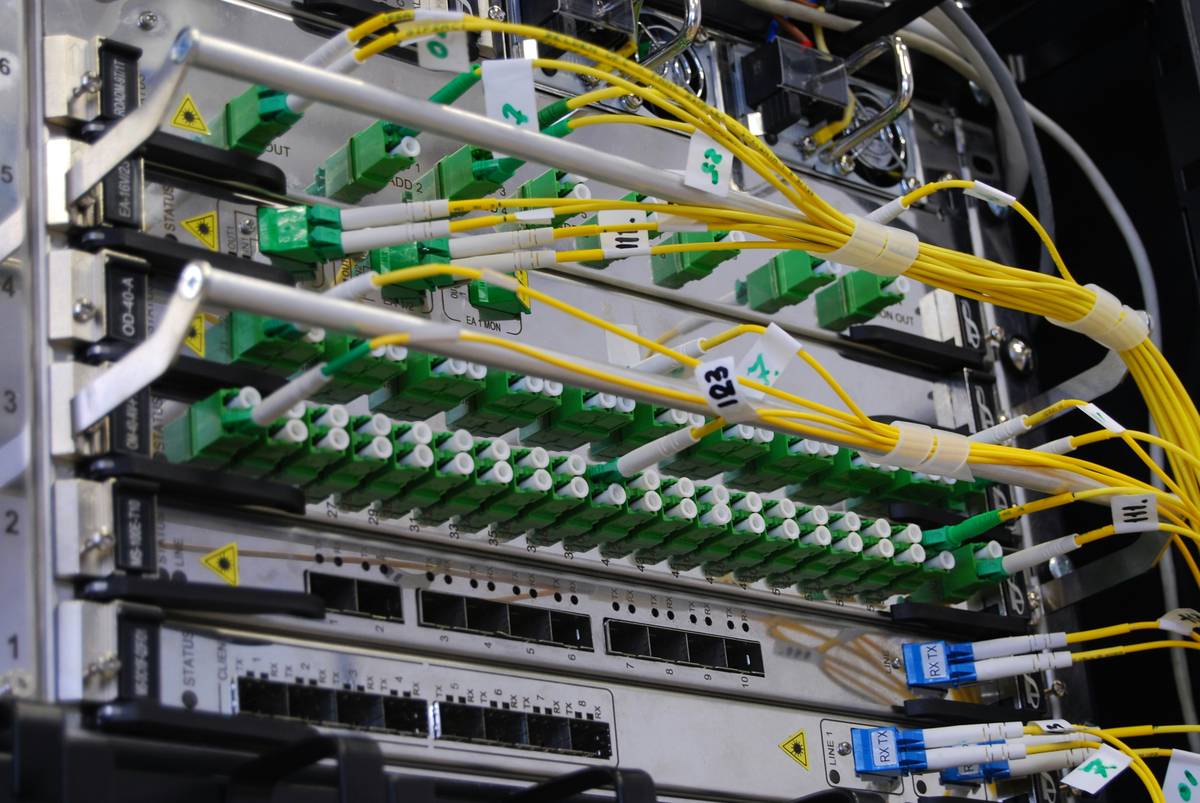
Let’s get literal: what is network in telecommunication? It’s the entire physical and logical infrastructure enabling voice, data, and internet services—from your Wi-Fi router and fiber lines to smart thermostats and security cameras. And yes, all of it can break, fry, or get hacked. According to the Federal Communications Commission (FCC), power surges cause over 60% of residential telecom equipment failures annually—yet most homeowners assume their standard policy covers it. Spoiler: it rarely does.
I learned this the hard way. During a summer storm last year, a nearby transformer blew. My internet died, my security system went dark, and three smart appliances bricked. My homeowner’s claim? Denied. The adjuster said “telecom components aren’t structural.” Lesson burned into my budget: network protection isn’t optional—it’s essential personal finance hygiene.
How to Audit and Insure Your Telecom Assets
1. Map Your Telecom Footprint
List every device tied to your internet or phone line: routers, extenders, IP cameras, VoIP phones, even smart TVs. Don’t forget outdoor gear like mesh nodes.
2. Review Existing Policies
Check your homeowner’s/renter’s policy for “electronic equipment” clauses. Then examine your credit card benefits—if it’s a premium card (like Amex Platinum or Chase Sapphire), it may include purchase protection covering telecom gear for 90–120 days post-buy. See CFPB’s guide on credit card protections.
3. Evaluate Telecom-Specific Add-Ons
Some insurers (like State Farm or Allstate) offer “equipment breakdown” endorsements. Others, such as dedicated telecom providers, sell standalone “network protection” riders. Compare deductibles, coverage caps, and exclusions—especially for software-related outages.
Smart Insurance Practices Most People Overlook
- Bundle wisely: Some ISPs (e.g., Xfinity) include basic network insurance with premium internet plans—often cheaper than third-party policies.
- Avoid double-dipping: If your credit card already covers new purchases, don’t pay for overlapping insurance within the first 90 days.
- Document everything: Keep receipts, model numbers, and firmware versions. Photos of your setup help during claims.
- Beware the “terrible tip”: Never skip surge protectors because “insurance will cover it.” Many policies void claims if basic safeguards weren’t used.
Real Claims: When Coverage Saved (or Failed) Households
In 2023, a California family lost $2,100 in networking gear during a grid fluctuation. Their standalone telecom insurance reimbursed 95% after a $100 deductible—thanks to having opted for a “full equipment replacement” clause. Contrast that with an Ohio homeowner who assumed their State Farm policy covered a melted modem. Denied: the policy excluded “non-permanent fixtures.” The difference? One read the fine print; the other didn’t.
Data from the National Association of Insurance Commissioners shows telecom-related claims rose 22% between 2020–2023, driven by smart home adoption. Yet only 38% of affected households had relevant coverage—an avoidable financial leak.
Frequently Asked Questions
Does homeowners insurance cover internet routers?
Rarely. Standard policies typically exclude “electronic communication equipment” unless added via endorsement.
Can my credit card protect my telecom devices?
Yes—if it offers purchase protection. Cards like the Capital One Venture X cover eligible items for 90 days against damage or theft.
What’s excluded from telecom insurance?
Common exclusions include software glitches, wear-and-tear, and damage from improper installation. Always confirm with your provider.
Is network protection worth it for renters?
Absolutely. Renters own their telecom gear, and landlord policies won’t cover your personal devices.
How do I file a claim for network damage?
Document the incident (photos, utility reports), then contact your insurer—and our team at Hexus Migration can help assess your options.
Understanding what is network in telecommunication transforms you from a passive bill-payer into an active financial defender. At Hexus Migration, we’ve seen too many clients blindsided by coverage gaps—something our experience in risk mitigation helps prevent. And remember: any time you share device details with insurers, review our Privacy Policy to know how your data stays secure.
Don’t wait for the next outage to expose your vulnerability. Reach out today—because your network isn’t just wires and signals. It’s your financial safety net, digit by digit.
No signal? No problem. Just better planning.